
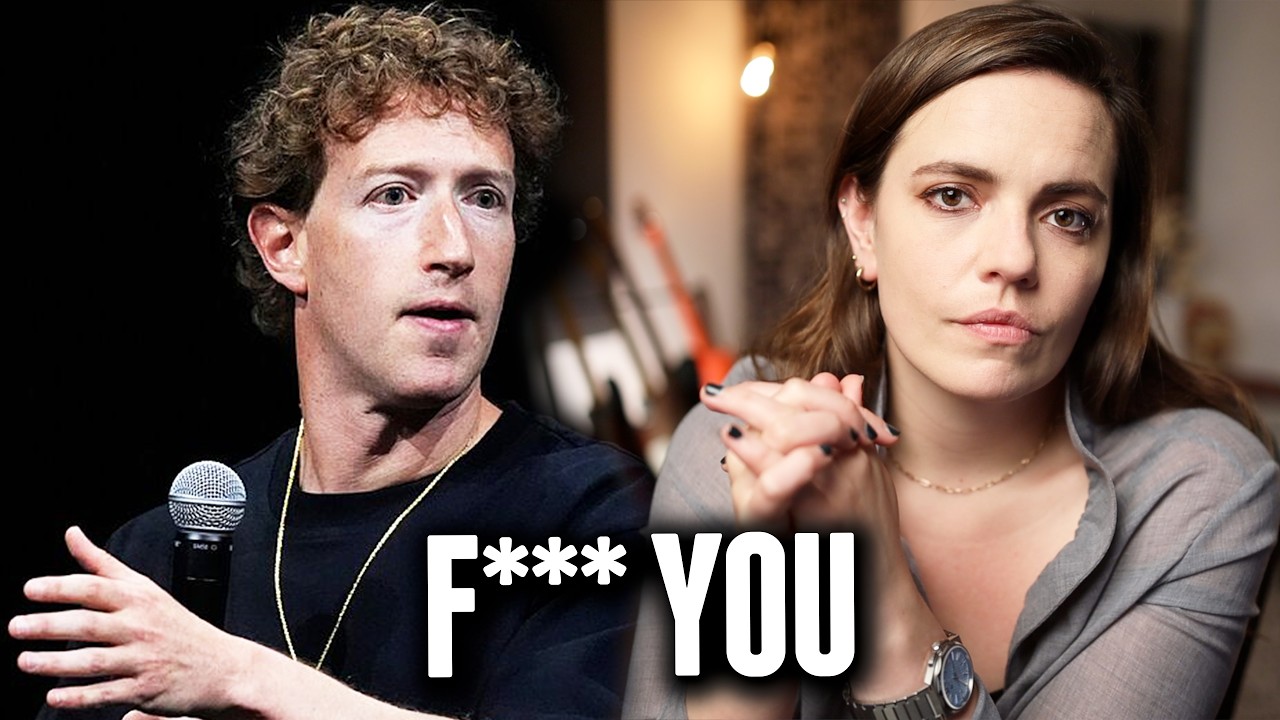
One of the biggest issues creatives face right now is AI and its ability to learn from, copy and create new material in seconds. If it's mishandled, it's an existential threat to creatives at every level: copywriters, novelists, musicians, graphic designers. In this video I explain how the technology uses our work, what the law says about it, and why I think the UK government is getting it badly wrong.
AI models are built on our work
Learning an instrument, learning to paint or redrafting a novel for the millionth time takes blood, sweat and tears. Writing a prompt doesn't. Generative models are trained on huge amounts of audio, text and imagery so they can recognise patterns and replicate them, whether that's the likely next chord in a sequence or the next word in a sentence. The more data, and the better its quality, the better the model. But it isn't thinking for itself. It's only possible because of the countless hours creatives have spent learning, practising, writing, recording and publishing.
UK copyright law protects original works, from novels and music to software, against unauthorised copying, distribution and performance. Yet some of the richest companies in the world have so far shown little respect for it. At the time I made this video, the AI music companies Suno and Udio were being sued by the major labels over the alleged unauthorised use of their recordings, and Meta was facing a lawsuit from authors who alleged it had trained a model on a pirated books database.
What fair use and fair dealing actually mean
The tech companies' usual defence is that "fair use" applies. In the UK we call it fair dealing; in the US it's fair use. These are limited exceptions to copyright, such as quotation for criticism or review, and parody, caricature and pastiche within certain limits. In the US, courts weigh four factors:
- the purpose and character of the use, including whether it's transformative;
- the nature of the copyrighted work;
- the amount and substantiality of the portion used;
- the effect of the use on the potential market for the original.
A cartoon briefly parodying another show to criticise its writing is a classic example: it's short, transformative and won't reduce demand for the original. Song parody is trickier, because you have to keep the original melody for the audience to recognise what's being parodied. Weird Al Yankovic could probably lean on fair use, yet he has always sought permission from, and shared royalties with, the artists whose songs he parodies, because that's a decent way of doing business. Lifting a famous guitar riff and dropping it into my own original song would be a completely different matter. I go deeper into how courts handle musical similarity in the Katy Perry Dark Horse lawsuit, and into how copyright works for covers in cover songs, YouTube and copyright.
"Too difficult" to pay?
Big tech seems far happier paying expensive lawyers to argue that what it did was fine than paying a fee in the first place. The argument tends to be that getting permission would be too difficult and time-consuming, that it's fair use anyway, and that any single work is so small in data terms it makes no difference. I don't find that convincing from companies worth hundreds of billions, or in some cases more than a trillion, dollars.
The UK's creative industries matter enormously. They account for around 2.4 million jobs and well over £100 billion a year for the economy, before you even count their cultural reach and soft power. They're one of the things this country does really well, and they need protecting.
Where the UK government stands
This is exactly the moment you want your government to say: "Nice try, but you can absolutely afford this, so let's talk terms." Instead, it has seemed to side with big tech. First it proposed letting AI firms train on copyrighted work by default, with artists having to opt out, which prompted protests from hundreds of high-profile artists, including Elton John, Dua Lipa and Paul McCartney, who pointed to the impracticality, the lack of transparency and the economic damage. Then it blocked a proposed amendment to the Data (Use and Access) Bill that would have required AI companies to disclose which copyrighted material they had used.
I understand that the government wants growth and sees AI as part of that. But I've seen no convincing explanation of how paying for creative work would hold big tech back.
Learning isn't the same as industrial copying
A common argument is that human artists have always learned from what came before without permission or payment, so AI is doing nothing different. I don't accept that. A model churning out imitations of a great jazz musician at industrial scale, for profit, is not the same as a human being inspired by great work and striving to make their own contribution to culture. The hundreds of millions of creative hours that give humanity meaning are not worthless.
These companies could redistribute a tiny fraction of the wealth they stand to make to fund arts and culture, so every child who wants to can learn an instrument and every adult can enjoy a life made richer by creativity. Or they can keep piling it up. The UK government must change its stance and make this fair.
For my wider thoughts on where this is heading, read my predictions for AI and the future of music. I'll keep sharing developments in my newsletter.