
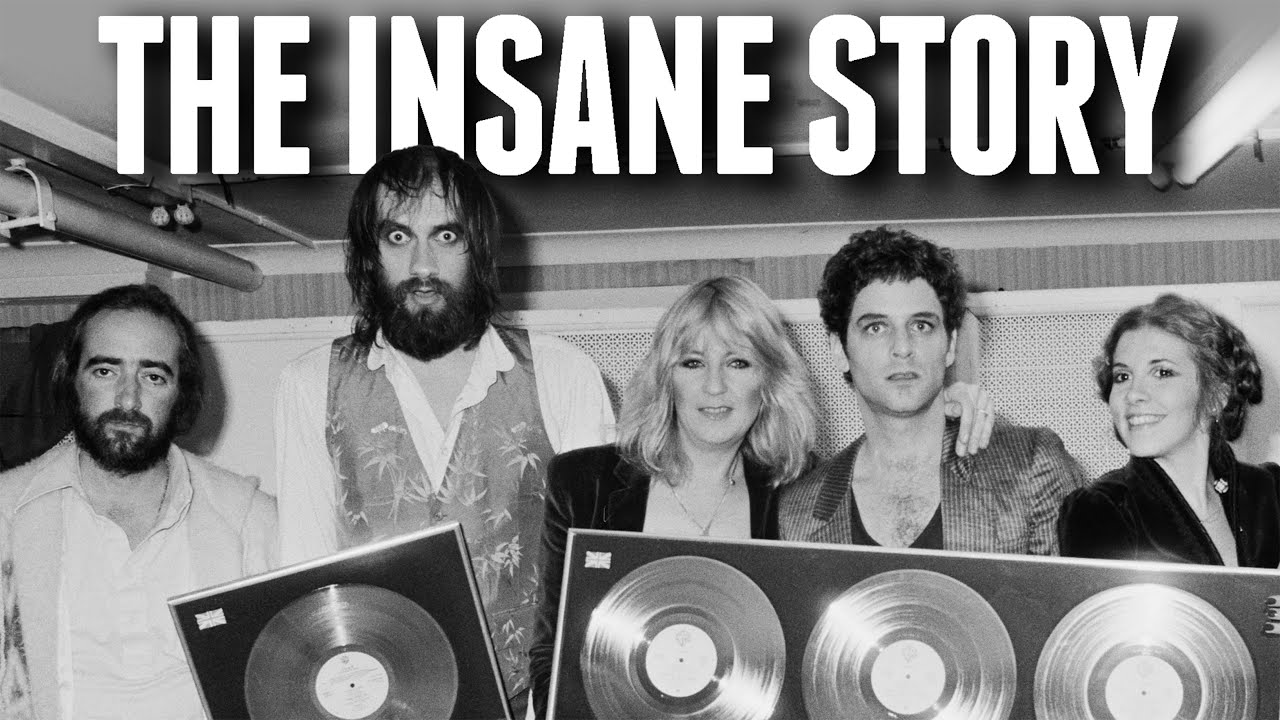
How do you follow a hit so enormous you're almost too big to fail? You could repeat the formula, as the Eagles and ABBA did. Or you could gamble on something so unexpected, so indulgent, that it almost ruins your career. This is the story of Fleetwood Mac's Tusk, the follow-up to Rumours. (If you missed it, I've also written about why "Dreams" is perfect.)
The studio
In 1978 the band gathered at the newly finished Studio D at the Village Recorder in West Los Angeles. It had every luxury, including a Heineken beer tap. Flush with Rumours money, the band were told they could rent or buy the studio, and chose to rent. Over around 13 months they ran up a bill of close to $1.4 million, far more than the purchase price would have been, with lobster, champagne and plenty of 1970s excess. Christine McVie later said they could have made a whole album with what they spent on champagne in a single night.
Lindsey Buckingham wants to be in The Clash
At first the mood was good. Stevie Nicks brought "Sisters of the Moon", and Christine McVie brought new ballads including "Brown Eyes" and "Over and Over". Then Lindsey Buckingham, the band's guitarist and principal arranger, made it clear they would not be making Rumours part two.
He'd been listening to punk and new wave, Talking Heads and the Sex Pistols, and had cut off his long hair and beard. He said he hated hearing songs on the radio that he could predict within five seconds. Engineer Ken Caillat remembered being told to turn every knob 180 degrees from where it was, just to see what happened, and Buckingham taping microphones to the floor and singing from a push-up position.
Under pressure to reach the sonic heights of Brian Wilson's unreleased Smile, he recorded demos in his bathroom at home, using tissue boxes and his mattress for percussion, then painstakingly tried to recreate them in the expensive studio. The band even tiled the isolation booths to match the bathroom sound.
Personal turmoil
Everyone was going through a lot. Buckingham had health problems, Mick Fleetwood had lost his father and was divorcing for the second time, and the band's relationships were as tangled as ever; Stevie Nicks's song "Sara", one of the album's best, came out of that period.
A marching band at Dodger Stadium
The title track was unlike anything they'd done. On holiday in France, Fleetwood woke up hungover to a brass band outside and joined the procession, and the sound stuck with him. The track combined Buckingham's riff with a medley of percussion, reportedly including that tissue box and a leg of lamb slapped with a spatula. Still not satisfied, Fleetwood hired the 112-piece USC Trojan Marching Band. When Warner refused to pay, he used his own money to book Dodger Stadium and a camera crew. It turned out the band could only play while marching, so they had to march on the spot.
A label's nightmare
As a double album, Tusk had to retail at around $16, a lot of money then, and had to sell about half a million copies just to break even. The band insisted on a famously uncommercial cover: a photo of a dog biting an ankle. Then a radio chain played the whole album before release, encouraging home taping. Critics felt that where Rumours blended three songwriters into one strong record, Tusk sounded more like three solo projects. Mojo later called it one of the great career-sabotage albums. It sold around four million copies, respectable but a flop by Rumours standards.
The most outrageous tour
The eight-month tour was reportedly costing $25,000 to $30,000 a day: private jets, a fleet of limousines, grand pianos winched into hotel suites, and elaborate backstage tents. At the end, the band learned they'd made no money, and decided it was time for solo projects.
Time has been kind
Critics have since reappraised Tusk as strange, beautiful and one of the last great albums of the 1970s. According to Caillat, the title came from a rude phrase that roughly meant telling the world where to go, which sums up how the band reacted to their enormous fame. For a songwriter, it's a fascinating lesson in the tension between commercial expectations and following your own artistic instincts.
For more music history, read the story behind Brothers in Arms and the rise of Led Zeppelin.