
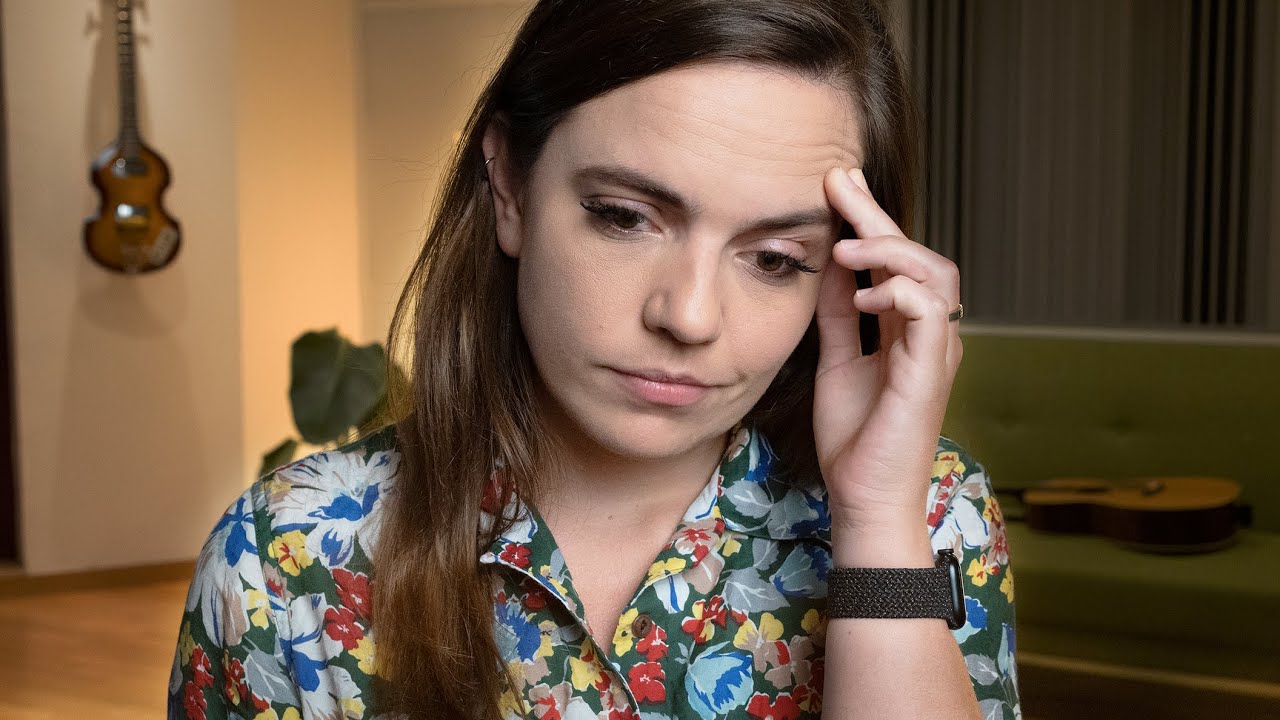
We all know how the music industry works, don't we? You send an A&R person your demo, they sign you to a multi-album deal, your record goes to number one everywhere, you graduate to arenas and top it off with a Hall of Fame induction. Not exactly. In 2018 I made a video about giving up my dream of a record deal, and in this one I revisit that decision almost four years on.
Where things stood
Getting signed was a dream of mine when I was younger, because when you're growing up writing pop songs, that's the only route you really know. My original video was inspired by conversations I'd heard with Gary Vaynerchuk and Scooter Braun, and an Instagram Live with John Mayer and Cautious Clay. At the time I still had a full-time job.
Since then, John Mayer announced in 2022 that he'd left Columbia Records, seemingly wanting more freedom to work with other artists. Cautious Clay has stayed independent, and his song "Cold War" was sampled by Taylor Swift on Lover, which is a huge win. And I'd released my Lone Wolf EP and two volumes of my Songbook project, and was recording my debut studio album, entirely self-funded with the help of my patrons, course sales and YouTube ad revenue.
How major labels work
With a traditional label deal, artists typically sell or license the rights to their music in exchange for a royalty, and the label handles promotion, distribution and the financials. The artist cedes much of the control, and money from sales helps fund the label's running costs, from warehousing and advertising to staff salaries and pensions.
Major labels like Sony, Warner and Universal can serve some artists brilliantly, with huge marketing budgets and enormous reach. But they're often part of vast corporations built on year-on-year growth, which usually means chasing the hot new thing or doubling down on their biggest earners. If you're somewhere in the middle, it's easy to get lost. For every passionate A&R person looking for their favourite new band, there are accountants scrutinising every penny, ready to pull the plug if a release doesn't meet expectations.
The different ways to be independent
"Independent" broadly covers any musician not signed to a multinational label or one of its subsidiaries. Within that, there are a few models:
- Fully DIY: you release music yourself through a distributor such as TuneCore or DistroKid, keep complete control, and handle everything from recording to marketing.
- Label services deals: you pay a firm for expertise in marketing, distribution and promotion, without a long-term contract, and you keep ownership of your copyrights.
- Independent labels: small to medium-sized businesses, sometimes run by just one or two people who genuinely love what they do.
- Your own label: some artists set one up specifically to release their own work.
Where I'd spend money instead
I'm a strong believer that building a direct connection with your audience is the most valuable thing you can do, because then it's your community, not a label's. When you're starting out, you might be encouraged to pay a radio plugger thousands for a few weeks of work, for plays that are fleeting. That money might be better spent on a music video or a catalogue of YouTube videos that stay online and keep earning. Playlist promotion has become the new radio plugging, but many of the biggest playlists are controlled by, or heavily favour, the major labels.
I've worked with several PR agencies over the years, and there was always a reason my work didn't land in the press: a royal wedding, an election, a superstar's new record. The coverage I have had came because of what I'd made on YouTube. I go into this in more detail in why traditional music promotion is broken.
My advice: fewer layers
The more layers there are between you and your audience, the worse off you'll be, and the more your career sits in someone else's hands. Major labels are run by busy people who prioritise their top earners and the most mass-market artists, leaving little room for experimentation, taking time to learn your craft, or making mistakes. Artists including Chance the Rapper, Nine Inch Nails, Kylie Minogue and Frank Ocean have all, at various points, chosen more independent paths. As an independent you're nimble, you can react quickly, and nobody tells you that's not the single or that you must make an album rather than release individual tracks. That's one way of doing it, but it's no longer the only way.
For more on building a sustainable independent career, read how to start making money as a musician and what musicians can learn from Fender's business model.