
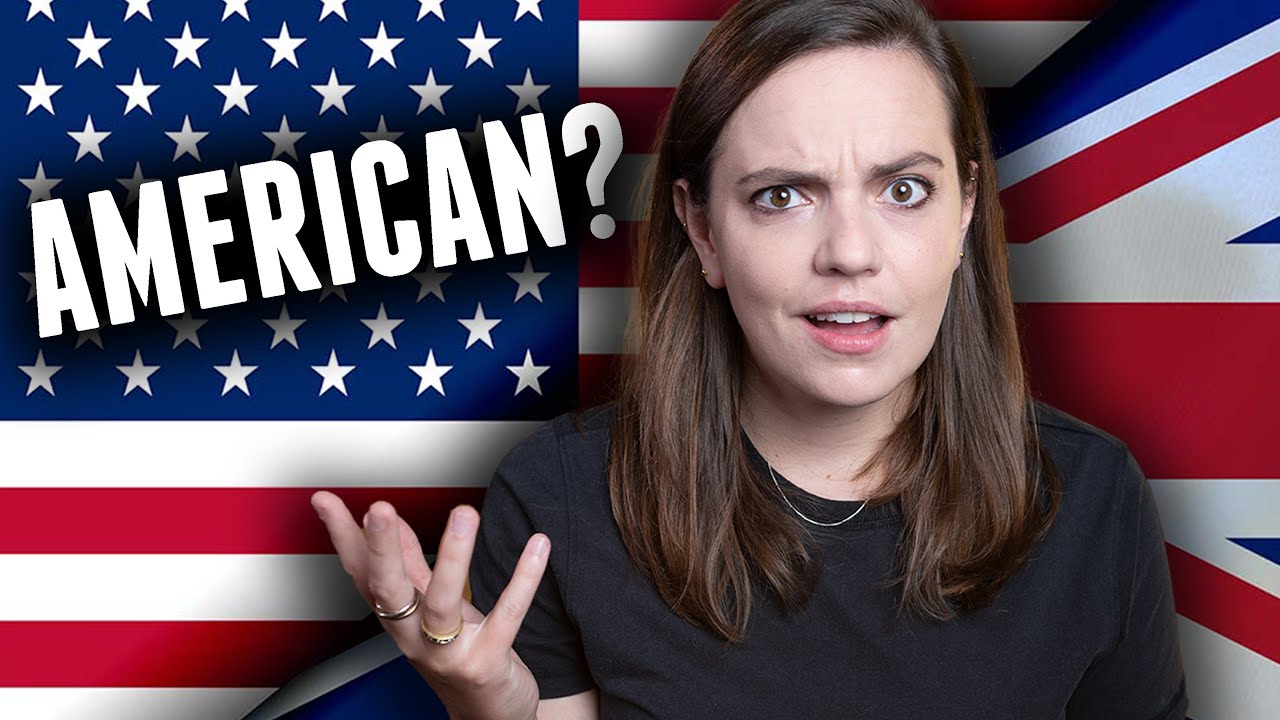
I'm originally from Wiltshire, in the south of England, and I speak with what's known as Received Pronunciation, sometimes called "standard English". But when I sing, many of the characteristics of my accent disappear. I'm far from alone: from Elton John and Led Zeppelin to Harry Styles and Dua Lipa, lots of British acts sing in something that broadly resembles a general American accent. Why? The explanation falls into two strands, one linguistic and one social.
The linguistic reasons
Singing has an accent-neutralising effect. The differences between accents come largely from three things:
- Intonation: the rise and fall of the voice as we speak.
- Vowel length and quality: shaped by the position of the tongue, lips and jaw.
- Rhythm: the stress, timing and length of syllables.
All of these change when we sing. Melody overrides your natural intonation and rhythm. You stretch or shorten vowels, loosen consonants and adapt vowels for a more pleasing tone, which won't necessarily match how you'd speak. Many of those techniques happen to share features with American varieties of English. If you're working on your own voice, my tips for recording vocals at home and how to sing and play guitar at the same time may help.
Genre carries an accent
Some styles practically demand a particular accent. If you're singing jazz, surf pop or country, the weight of the genre's history pulls you towards American pronunciation. German art song really only works in German, and opera sounds Italian because the art form developed in Italy, even though composers like Bach, Handel and Mozart were native German speakers. Even musical directions like allegro and crescendo are Italian, and singers are trained to fit the canon.
The social reasons
Singers are the sum of their influences. Through the 20th century, the US was the world's biggest cultural exporter, and genres like rock and roll and rap sent waves of influence around the world. American rhythm and blues had a seismic effect on British bands like The Who, Led Zeppelin and The Animals, who became reference points for the next generation, and the vocal DNA kept passing down. Mick Jagger, from Dartford, was steeped in Delta blues; David Bowie, from Brixton, was inspired by Little Richard; Adele, from London, carries traces of Lauryn Hill, Alicia Keys, Etta James and Ella Fitzgerald. If you learn to sing by imitating your heroes, you pick up their vocal habits along the way. Not that the British can't rock: The Beatles, The Kinks, The Stones, Led Zeppelin and The Who prove otherwise.
Sometimes it's simply money. One Direction said in an interview that their label had asked them to adjust their accents because they sounded too English for the lucrative American market.
Singers who keep their accents
Not every UK singer goes the same way. Alex Turner of Arctic Monkeys, Kate Nash, Cerys Matthews, Lily Allen, Lewis Capaldi and Biffy Clyro's Simon Neil, among others, all sing with pronounced accents and still enjoy commercial success. There are even tongue-in-cheek styles like chap hop and scrumpy and western that rework American genres in profoundly British voices.
Influence doesn't only come from America. Sting has described his reggae-influenced vocal style as a homage to the Caribbean music he grew up around in England, from calypso to ska and bluebeat. The Windrush generation brought dub, ska and reggae to Britain, which in time helped birth homegrown genres like jungle, dubstep and grime. British rappers have built something uniquely their own, and increasing multiculturalism has helped give rise to a new dialect, Multicultural London English, rooted partly in Jamaican patois, which some linguists predict could become increasingly dominant.
Language keeps evolving
These shifts are called phonological change, and they're part of the natural evolution of language. It's why we sound different from people centuries ago, and why British and North American accents differ so much despite a shared language. When I said "Gen Zee" rather than the British "Zed" in my video on why new music sucks, some commenters were convinced I was an American posing as a Brit. In reality, around half my audience is in the US, so I sometimes adjust terms to reach the broadest audience. Language lets us pick what suits our purpose.
And it works both ways. Young Americans have reportedly been picking up British expressions from shows like Peppa Pig, The Crown and Love Island. In a few years, we might be asking why so many Americans sound British when they sing.