
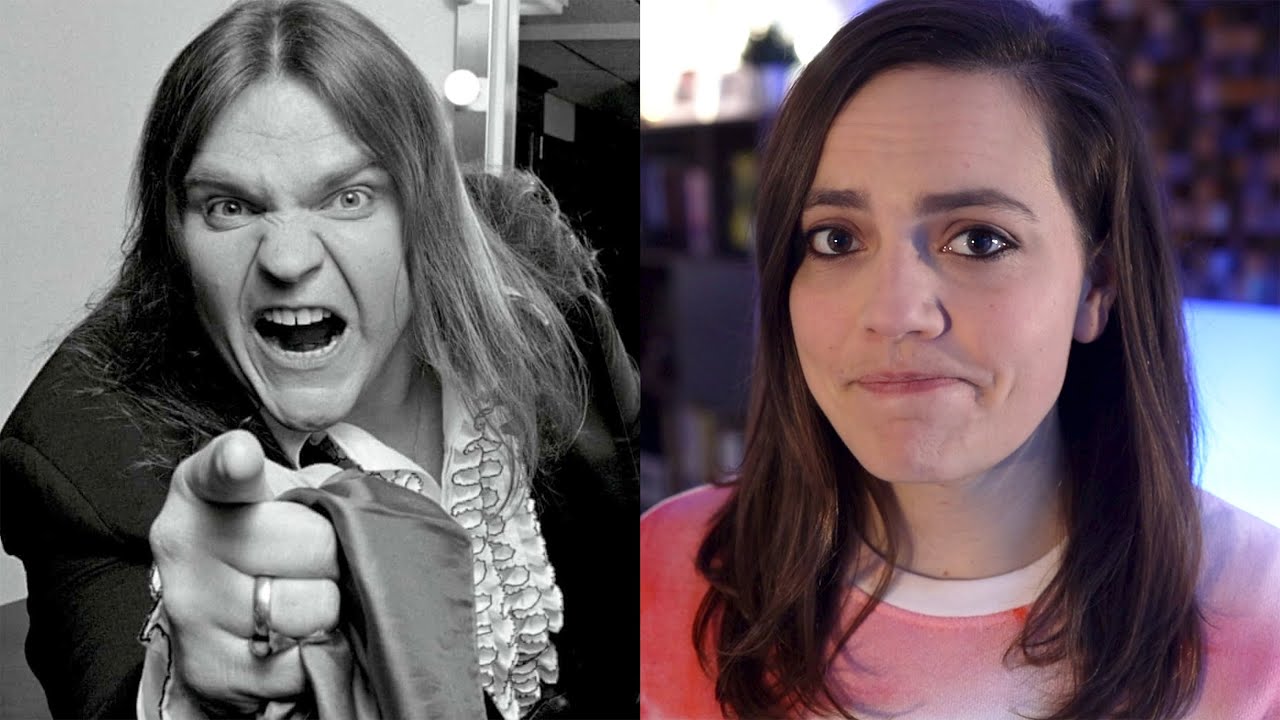
I made this video in January 2022, the day after we woke up to the news that Marvin Lee Aday, better known as Meat Loaf, had died at the age of 74. He was an American singer and actor with a thundering, highly theatrical voice and stage presence, and one of the best-selling artists of all time, with worldwide sales of more than 80 million records. His Bat Out of Hell trilogy alone has sold tens of millions of albums, and the first instalment is still one of the best-selling albums in history.
A formative record for me
Bat Out of Hell II: Back into Hell was one of the first albums that made an enormous impression on me as a child. My dad was a huge fan and played the tape constantly on long car journeys. I remember thinking how powerful, emotional and theatrical the music was. It bowled me over. "I'd Do Anything for Love (But I Won't Do That)", which won him a Grammy for Best Solo Rock Vocal Performance, is still one of my favourite karaoke songs.
He was also an actor in more than 50 films and TV shows, including Wayne's World, Spice World and an especially moving performance in Fight Club, and his stage credits included Hair and The Rocky Horror Show. He was loved worldwide, but particularly here in the UK, where a television appearance helped kick-start his career.
Early life and theatre
Born in Dallas, Texas, in 1947, he began performing in high school productions and continued at college. He reportedly got his nickname from a football coach. After his mother died, he moved to Los Angeles and formed bands that opened for acts including Janis Joplin, The Who, The Stooges and the Grateful Dead. He balanced musical theatre and bands, and always felt he struggled to be taken seriously because of it.
Crucially, it was through theatre that he met his long-time collaborator Jim Steinman, who also wrote Bonnie Tyler's "Total Eclipse of the Heart". After Steinman died in 2021, Meat Loaf described them as being so close they were almost the same person. In late 1973 he was cast in the original Los Angeles production of The Rocky Horror Show, later appearing in the film.
Like many theatre kids, he was intensely shy and found release in performing. He spoke openly in interviews about social anxiety and how lost he felt at parties. It's incredible to think that a man who played hundreds of arenas could be so nervous about a friendly conversation.
Years of rejection
In 1974 he quit theatre to focus on music, and he and Steinman tried to get Bat Out of Hell off the ground. According to his autobiography, they spent years auditioning the record and being rejected again and again. One senior record executive reportedly dismissed the project, saying actors don't make records and that Steinman didn't know how to write a song. Ouch.
Todd Rundgren, whose work is very much worth exploring, produced the record and helped finance it. It was released by Cleveland International in October 1977, but the initial response was slow, and many executives at the label and its parent company disliked it.
How British TV helped
Interestingly, it was British and Australian audiences who got the songs first. The BBC's The Old Grey Whistle Test played a clip of the title track; the response was so positive that it was shown again in full the following week. Encouraged, Meat Loaf and Steinman aggressively promoted the record to US radio, and their perseverance paid off. Bat Out of Hell became one of the best-selling albums of all time, and you can hear its influence in artists from Bon Jovi to My Chemical Romance, The Killers and Guns N' Roses. That story of years of rejection before success is something I touch on in major labels vs going independent.
The delivery made the songs
Steinman wrote most of Meat Loaf's best songs, but nobody could deliver them like Meat Loaf. Making such over-the-top songs genuinely emotional is no easy feat. People connected with them not because they were bombastic parodies, but because they were full of real feeling.
"I'd Do Anything for Love" reached number one in 28 countries, spent five weeks at the top in the US, and was the UK's biggest hit of 1993. At nearly eight minutes, it was the longest song to top the UK chart since "Hey Jude". The famous "that" in the title confused many listeners, and Meat Loaf said "what is that?" was the question he was asked most. Each mention refers to the specific promise made earlier in the same verse; he even explained it on stage with a blackboard in his 1998 VH1 Storytellers special.
He recorded 12 solo studio albums, stopped touring in 2013, and kept writing and recording until his death. For more on theatrical, larger-than-life rock, read about the loudest band on earth and the art of outrage in music. Thank you for the memories, Meat Loaf.